
Green City Action Plan
What is a Green City Action Plan?
The Green City Action Plan (GCAP) is a key strategic document that provides clear and concise measures and strategies to indicate how a city can achieve its climate commitments. It focuses on urban development and infrastructure; green jobs and employment opportunities; climate resilience; the Sustainable Development Goals (SDG) and Paris Agreement; investment mobilization and private sector participation; and accelerating post-COVID-19 economic competitiveness.
The GCAP is a strategic step to advance Malaysian cities’ transformation into “Green, Inclusive, and Liveable Cities”, in alignment with the planning framework and provisions of the federal, state, and local governments. The GCAP’s are prepared in line with framework and provisions of 12th Malaysia Plan.
GCAP Development Process
To facilitate the development of the GCAPs, the implementing consortium (IC) composed of ICLEI South Asia, ICLEI Southeast Asia, and the Indonesia-Malaysia-Thailand Growth Triangle Joint Business Council (IMT-GT JBC) Malaysia will undertake the following steps:
1. Sign MOUs: Secure Memoranda of Understanding (MOUs) at the national and city levels to guide the successful implementation of the GCAP Project.
2. Outline tools to be used: Employ internationally-proven and acknowledge tools, including ClimateResilientCITIES (CRC) methodology, ADB’s Resilience Toolkit, Malaysia-specific Harmonized Emissions Analysis Tool (HEAT+), and the City Infrastructure Investment Programming and Prioritization Toolkit.
3. Create city profiles and needs assessments: Establish the cities’ baseline status in terms of their climate and economic profiles while ascertaining the condition of major urban services.
4. Develop greenhouse gas emissions inventories (GHGIs): Use sector-specific templates to help cities report sectoral activity data and, ultimately, assess sectoral energy use and emissions.
5. Establish a climate risk and vulnerability assessment (CRVAs): Assess the exposure, sensitivity and adaptive capacity of vulnerable city systems and actors, in turn identifying adaptation measures for climate change-induced disasters.
6. Outline quality infrastructure investment projects (QIIs): Identify priority QII projects through discussions with city-level experts, climate core teams, and stakeholder committees.
Participating Cities
Penang Island
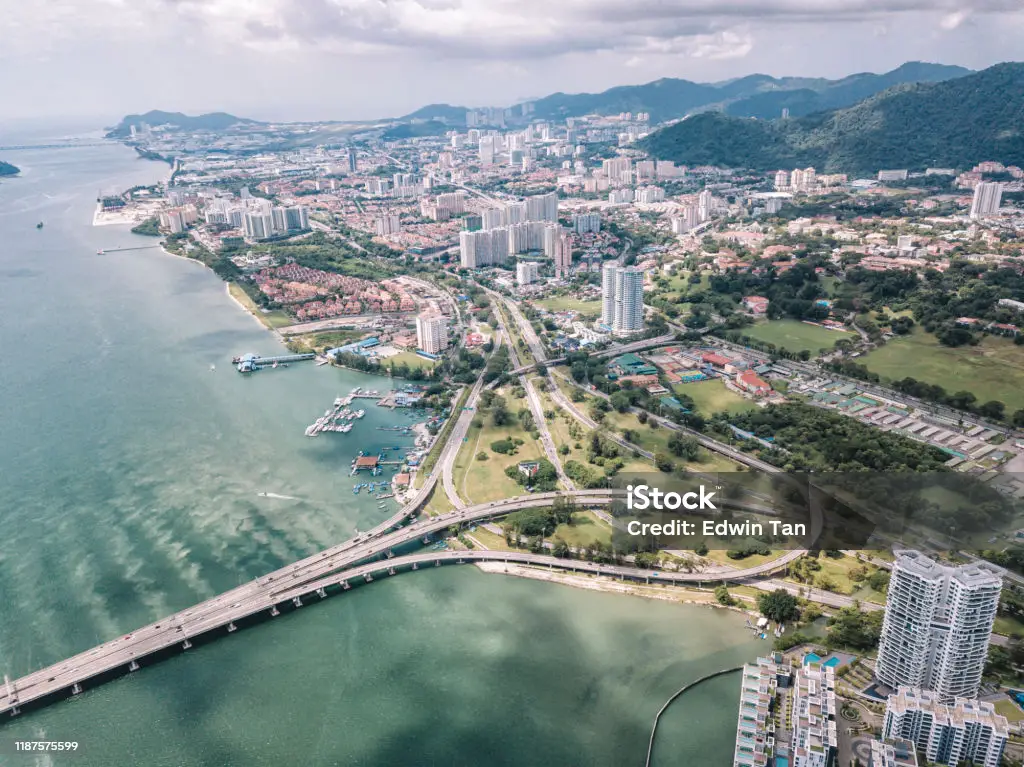
Penang Island, situated in northern Malaysia, has a dynamic city profile characterized by its economic vibrancy, cultural richness, and tourism appeal. Its strategic location, supported by modern infrastructure such as bridges and ferries, an airport, railways, and roads and expressway, facilitates connectivity with the mainland (Seberang Perai) and western peninsular Malaysia. George Town, a United Nations Educational, Scientific and Cultural Organization (UNESCO) World Heritage Site, is the state capital. The Penang Island City Council (PICC) is the local government authority responsible for administering Penang Island.
Langkawi
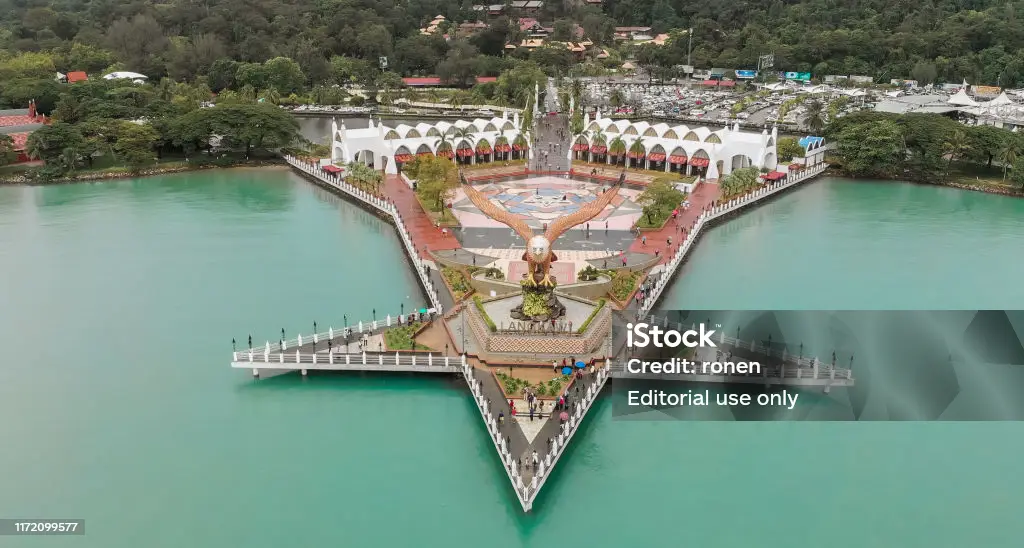
Langkawi Island, a part of Kedah State in northern Peninsular Malaysia, has a dynamic city profile characterized by its biodiversity, cultural richness, and tourism appeal. It is an international destination connected to the mainland and the region through air and waterways. The island’s UNESCO World Geopark status has further bolstered its tourism potential. The Langkawi Municipal Council (LMC) is the local government authority responsible for administering Langkawi Island. The Langkawi Development Authority (LADA) is in charge of managing and developing the island’s tourism sector
Kota Bharu
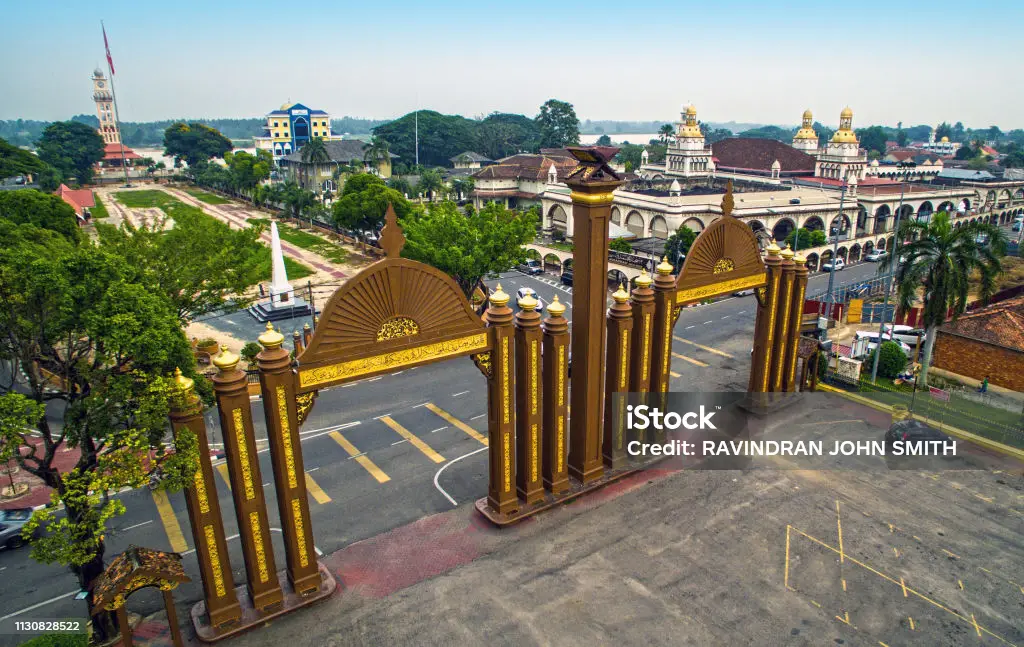
Kota Bharu, the capital city of Kelantan State, is a dynamic city with a rich cultural heritage and industrial and commercial development. Its air and road connectivity to the rest of Peninsular Malaysia and potential regional linkages to Southeast Asia make Kota Bharu ideal for logistics, industrial, and commercial development. The service sector is the key economic driver for Kelantan State. The Kota Bharu Islamic City Municipal Council (KBMC) is the local government authority responsible for administering Kota Bharu City.
Kuching (Padawan Municipal Council)
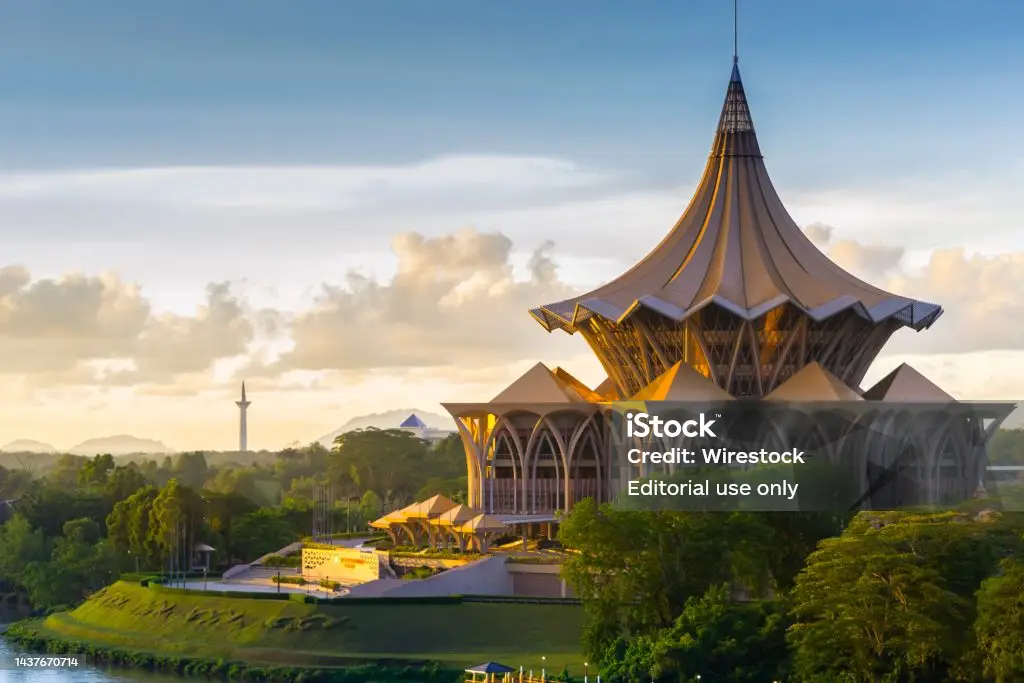
Padawan Municipal Council (PMC) is a local government authority that administers Padawan municipality. It is located on the outskirts of the City of Kuching, which is the capital and the largest city of Sarawak, serving as a strategic hub due to its location along the Sarawak River and its access to the South China Sea. PMC is well-connected to Kuching by road through the Pan Borneo Highway, which is a major road network that links the region of Sabah and Sarawak with Brunei and Indonesia.
Case Studies
How has GCAP implementation in other regions and cities help in achieving the sustainable development goals?
- All Posts
- Case studies

Lorem Ipsum is simply dummy text of the printing and typesetting industry. Lorem Ipsum has been the industry’s standard dummy…
Lorem Ipsum is simply dummy text of the printing and typesetting industry. Lorem Ipsum has been the industry’s standard dummy…
Lorem Ipsum is simply dummy text of the printing and typesetting industry. Lorem Ipsum has been the industry’s standard dummy…
Keys to Success
What makes for a successful GCAP implementation?
Multi-level and multi-sectoral partnerships
Partnerships between city governments and regional governments, national governments, private sector, civil society, people’s organizations, non-profit organizations, and international organizations ensure horizontal and vertical integration.
Stakeholder engagement
Stakeholder engagement methodologies, including core team meetings, committee meetings, shared learning dialogues, policy dialogues, outreach workshops, capacity building workshops, focused group discussions, and bilateral meetings, ensure an inclusive and transparent GCAP process.
Supporting SDG Implementation
New GCAP Features17
- Low-Hanging Fruit Projects
- Investment Forum
- Capacity Building Programs
- Project Funding
- Youth and Community Outreach

GCAP and ESG - Partners
The Asian Development Bank (ADB) envisions a prosperous, inclusive, resilient, and sustainable Asia and the Pacific, while sustaining its efforts to eradicate extreme poverty in the region. Despite the region’s many successes, it remains home to a large share of the world’s poor: 263 million living on less than $1.90 a day and 1.1 billion on less than $3.20 a day.
ADB assists its members, and partners, by providing loans, technical assistance, grants, and equity investments to promote social and economic development.
ADB maximizes the development impact of its assistance by facilitating policy dialogues, providing advisory services, and mobilizing financial resources through cofinancing operations that tap official, commercial, and export credit sources.
ADB approved this knowledge and support technical assistance (TA) to prepare Green City Action Plans (GCAPs) in 14 select cities in Malaysia under the Twelfth Malaysia Plan, 2021–2025. The TA intends to strengthen the capacity of these cities to develop and implement GCAPs and capital investment plans.
ADB selected ICLEI South Asia, ICLEI Southeast Asia, and the IMT-GT Joint Business Council (JBC) Malaysia (referred to as implementation consortium or IC) to jointly implement the TA.
ICLEI – Local Governments for Sustainability is a global network working with more than 2,500 local and regional governments committed to sustainable urban development. Active in 125+ countries, ICLEI influences sustainability policy and drive local action for low emission, nature-based, equitable, resilient and circular development.
ICLEI brings a strong urban component to national and global sustainability policies and translates these policies into action. It makes sustainability an integral part of urban development and create systemic change in urban areas through practical, integrated solutions. ICLEI helps cities, towns, and regions anticipate and respond to complex challenges, from rapid urbanization and climate change to ecosystem degradation and inequity.
ICLEI’s Members and team of experts work together through peer exchange, partnerships and capacity building to create systemic change for urban sustainability.
ICLEI creates connections among the local, regional, national and global governmental levels. It advocates for robust national and global sustainability policies that reflect the interests of local and regional governments and their communities.
Through collective efforts to build a sustainable urban world, ICLEI is shifting the trajectory of global development.
The IMT-GT Joint Business Council (JBC) will act as the focal point of the private sector with a clear mission of encouraging the private sector to pursue trade and investment opportunities created by Vision 2036.
It will enlarge its membership base to include MSMEs, SMEs, social enterprises, and high calibre players and representatives of large corporations. It will solicit, consolidate and prioritize policy inputs and project ideas from its diverse membership base for achieving the inclusive objective of Vision 2036. JBC members will be key implementer of Vision 2036 projects. As a key member of the Project Implementation Team, JBC will engage in regular dialogue with all other relevant stakeholders and partners to ensure issues and challenges related to the implementation of Vision 2036 are properly and promptly dealt with.